From seed to bottle
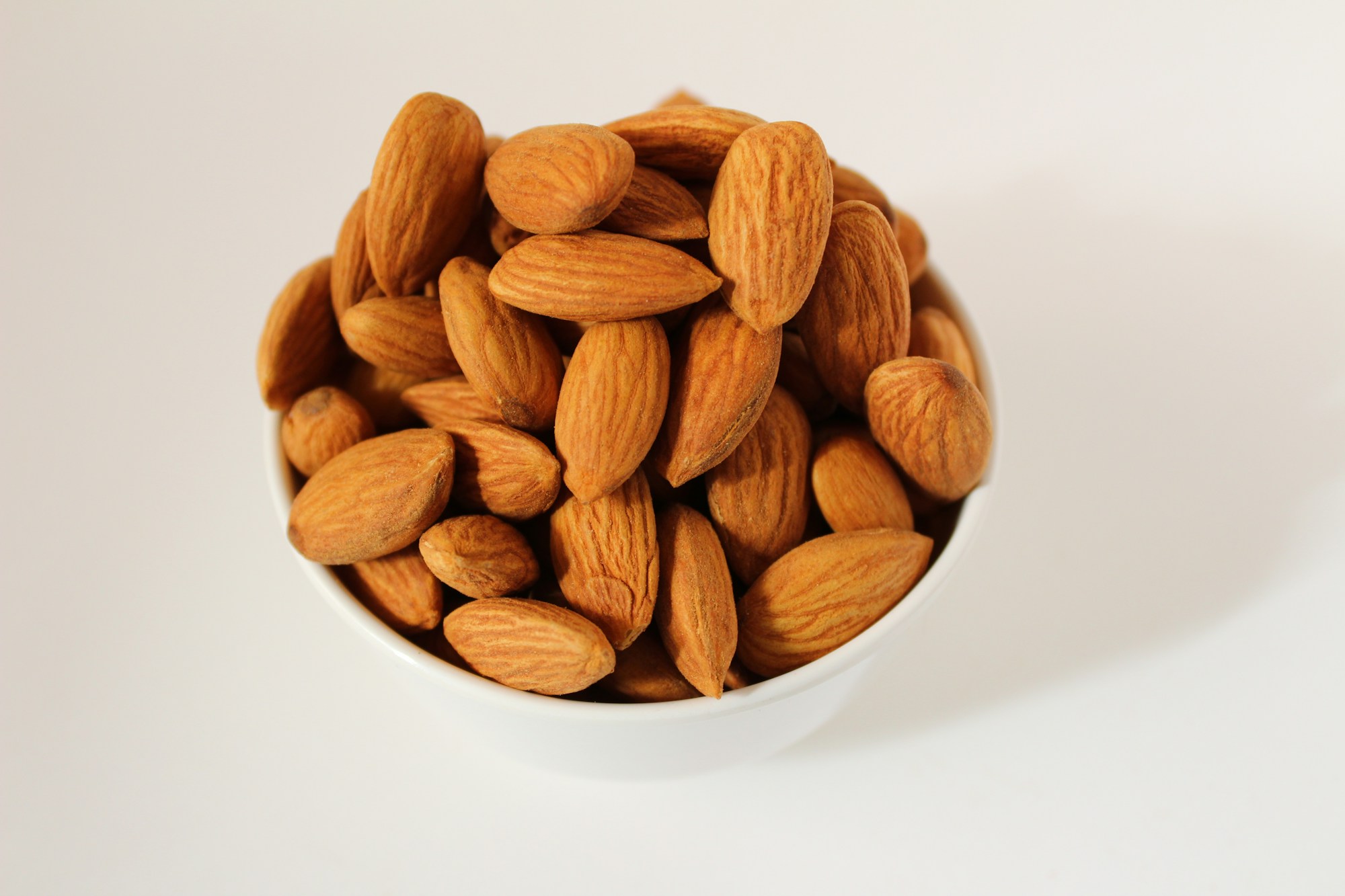
Cold pressing
In cold pressing, seeds, nuts or fruit are pressed mechanically at a limited temperature. The oil keeps more of its natural aroma, colour and minor components. It is then filtered and, in many cases, ready to use. Cold-pressed oils are valued for their character, but they can vary from harvest to harvest.

Refining
Refining removes unwanted components such as free fatty acids, colour, odour and trace impurities. It typically includes degumming, neutralisation, bleaching and deodorisation. The result is a neutral, stable oil with consistent properties that suits many industrial applications.
Fatty acids in brief
| Type | Examples | What it means in use |
|---|---|---|
| Saturated | Coconut oil, palm kernel oil, shea butter | Firmer, more stable, longer shelf life |
| Monounsaturated | Olive oil, high oleic sunflower oil, macadamia oil | Good balance of stability and skin feel |
| Polyunsaturated | Linseed oil, hemp seed oil, walnut oil | Light and valuable, but sensitive to oxygen |
Storage and shelf life
Keep it cool
Heat speeds up oxidation. Store oils in a cool place and avoid temperature swings.
Keep it dark
Light damages sensitive oils. Use opaque or dark containers where possible.
Keep it closed
Oxygen is the main enemy. Reseal containers quickly and consider nitrogen blanketing for polyunsaturated oils.